In a tense economic and geopolitical environment, where AI is pitted against humans, leaders can no longer be content with merely excelling on a technical or strategic level. Authority, vision, and analytical mastery—long considered the pillars of leadership—are no longer enough to mobilize teams or inspire sufficient trust. This is particularly true among Gen Z, which is now entering the workforce.
Today, it is the quality of the relationship established that distinguishes sustainable leaders from fleeting ones. As proof, 85% of employed workers believe that their manager plays an important role in their personal fulfillment[1] . The paradigm has shifted: welcome to the new era of management!
Adopting an Approach Beyond Skills
Often confused with emotional intelligence, relational intelligence goes much further.
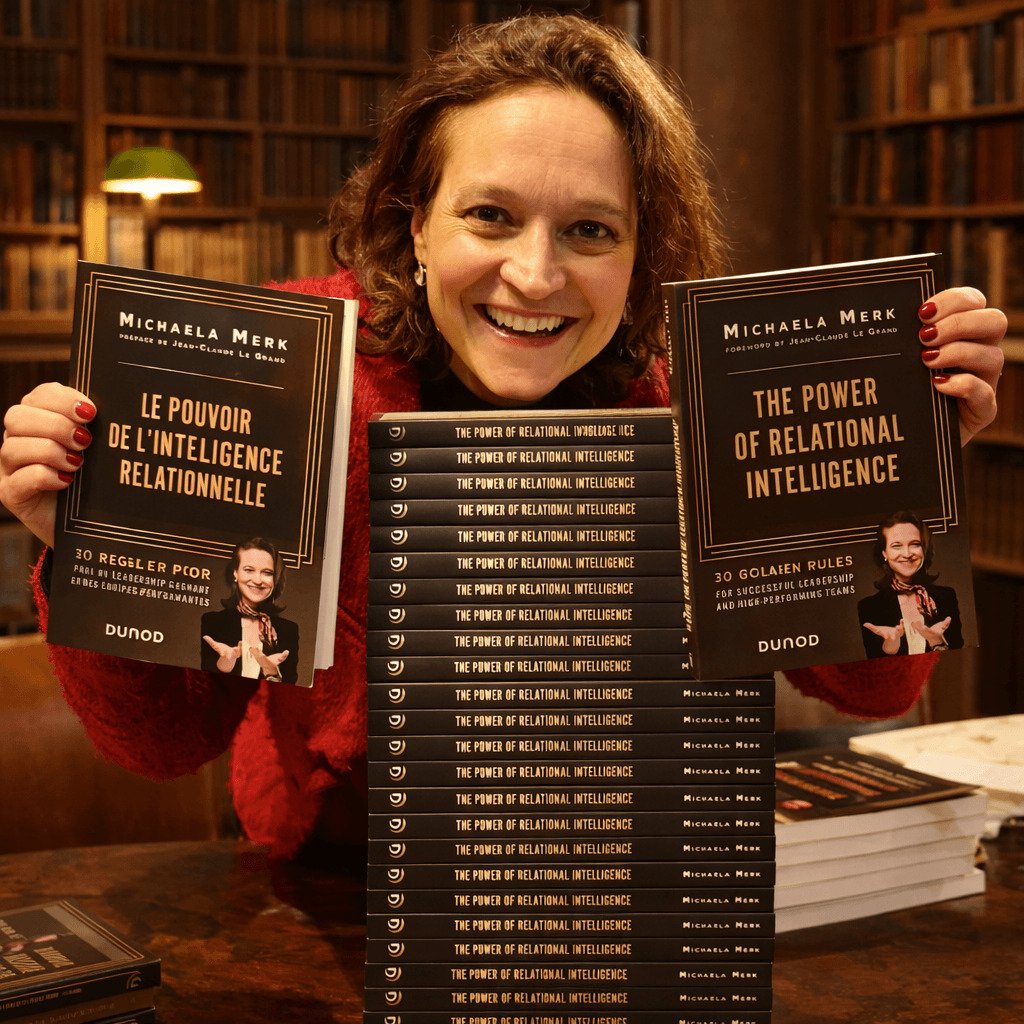
According to the book The Power of Relational Intelligence (Dunod), it is the ability to understand, adapt, and nurture human interactions to build trusting relationships that enhance individual and collective performance in the age of AI. A leader who exercises their responsibilities with Relational Intelligence will have the ability to enhance the quality of our human relationships at a time when companies are struggling to recruit talent, maintain employee engagement, and guide thousands of employees through a major transformation process where Artificial Intelligence is imposing new ways of collaborating or redefining their roles.
In this context of major transformations, adjusting one’s communication, decoding subtle signals, and building lasting trust are no longer merely assets: they are essential skills at the heart of performance.
Developing this skill means adopting an attitude of both clarity and presence. Above all, it means drawing managerial strength from key abilities—including active empathy and relational responsibility—and thus recognizing that the quality of a relationship is built by both parties and that, as a leader, you are its guardian. One of the key strengths is, above all, authentic and multidimensional listening. In the book *The Power of Relational Intelligence* (Dunod), this form of listening is coupled with a high level of curiosity toward others and an equally important ability to listen to one’s intuitions.
The Paradox of the Modern Leader
Companies are aware of the crucial role this intelligence plays in their future success. Yet their leaders still too often struggle to develop or leverage it. Why is that? Undoubtedly because it requires a form of vulnerability, introspection, and a long-term personal investment—dimensions rarely compatible with the pace and pressure of daily life.
However, being relationally intelligent does not mean “being nice” or “pleasing others.” It means knowing how to set clear boundaries, embrace disagreement, adjust one’s approach, and say no without severing the connection. It means combining high standards with kindness, authority with humanity, and efficiency with empathy. Today’s leadership is no longer about a power dynamic, but a relationship of trust.
Fostering a genuine corporate culture
The challenge for leaders is no longer individual; it is now collective. Choosing to rely on the power of relational intelligence means fostering the emergence of a corporate culture.
This dynamic involves creating opportunities for sincere dialogue, valuing cooperation, and recognizing the right to make mistakes and to be vulnerable—both individually and collectively. Leaders who embody this approach create a psychologically safe environment that lifts the team, fosters commitment, and generates gratitude through the leader’s desire to help others reach their full potential.
Companies led by such leaders place their personal values and those of the company at the heart of their actions. They demonstrate a strong commitment to employee well-being, a significant reduction in turnover[2] , and an ability to attract and develop young talent. This proves that this relational skill is far more than a human asset: it is a strategic lever.
Can we harness the power of Relational Intelligence?
The answer is yes, provided you have the will to do so and integrate it into your daily life in order to practice and improve it. By cultivating it, you strengthen various essential abilities needed to create and maintain strong relationships, despite potential differences. Thus, skills that may seem basic at first glance—such as empathy, building trust, sharing one’s passion, fostering gratitude, and instilling genuine pride—that is, creating and sharing a lasting sense of dignity and belonging—become a true asset for the leader.
Faced with the world’s growing complexity, tomorrow’s leader can no longer be someone who knows everything, but rather someone who is self-aware and knows how to build connections. Emotional intelligence is not a soft quality: it is a clear-sighted, strategic, and deeply human strength. It restores leadership to its essential purpose: to foster growth, bring people together, and inspire. These are distinctly human abilities that AI cannot take away from us.
By Michaela Merk, expert leadership speaker and author of the book “The Power of Relational Intelligence” (Dunod) https://amzn.to/4ihha97
[1] Source: Welcome to the Jungle