In the era of artificial intelligence, relational intelligence has become more essential than ever. While its significance in leadership is well recognised, Audencia Professor Michaela Merk investigates how to nurture it in concrete, practical ways.
Relational intelligence is an innate human quality. It is the ability to connect meaningfully with people of all ages, personalities, and backgrounds, based on authenticity rather than manipulation. Yet in today’s competitive world, relational intelligence is too often eclipsed by professional pressures or the sense of superiority that can accompany power — both of which tend to undermine the value of genuine human connection.
Relational intelligence is vital for engaging teams, confidently leading change, winning over even the most demanding clients, and enhancing organisational performance. When individuals feel heard, valued, and genuinely understood, the conditions are set for cohesive, high-performing teams to thrive.
However, the question remains: how can we translate this principle into everyday practice? Here are five universal and fundamental qualities that often require self-work and enable individuals to form sincere and deep connections, ultimately contributing to developing stronger emotional intelligence.
Empathy
This is the foundation of relational intelligence. It involves creating a bond with others, considering their perspectives, and understanding their emotions. This requires active listening and showing a genuine interest in what others say. Thanks to empathy, managers can build a deeper connection with their colleagues and staff, which helps foster trust and loyalty. Non-verbal communication, such as facial expressions and smiling, is also powerful. Thanks to mirror neurons, we are capable of forming deep and lasting connections rooted in genuine empathy. Maintaining eye contact, using open body language, and being attentive to the tone of voice also significantly impact how messages are received and interpreted.
Passion
This vital ingredient relates to a field that deeply captivates and energises those who are drawn to it. When you are passionate about your work, a force that cannot be controlled, you captivate your audience and inspire those around you. Passionate leaders are logically more adept at motivating their teams and guiding them toward common goals with enthusiasm and commitment. Knowing how to convey passion allows a leader to radiate charisma. Passionate leaders are vibrant, listened to, and possess the power to transform and impact those around them.
Trust
Authenticity is essential and exists in many forms. However, the most important recipe for creating an aura of trust is to remain true to yourself. Authentic leaders communicate by sharing their personality and emotions, which fosters sincere relationships. It is not about putting on an act to appear overly professional; instead, it’s about letting your true personality shine through alongside your strengths, convictions, values, and vision. Additionally, sharing one’s weaknesses, doubts, and fears holds significant importance. Authenticity builds trust and encourages others to be themselves in return, creating a more open and honest work environment where vulnerability and the right to make mistakes are valued and embraced.
Gratitude
Gratitude has become something of a buzzword — and rightly so. It carries powerful benefits for both physical health and emotional well-being. Of all the emotions, it is perhaps the one most strongly linked to lasting happiness. Its impact is greatest when it is genuine, unprompted, and freely given — both in its expression and its reception.
Offer praise promptly and personally when something is done well — and just as importantly, when genuine effort has been made, even if the results fall short of expectations. Expressing appreciation reinforces positive behaviour, deepens trust and strengthens relationships. Whether it’s through a few kind words in a meeting or a handwritten note, sincere gratitude helps people feel seen, valued, and inspired to keep giving their best.
Pride
This isn’t pride rooted in arrogance, but the pride that comes from belonging — to a family, a company, a brand, or a shared mission.
This authentic pride stems from deep-seated values that are clearly defined, demonstrated, and shared among members. These values offer direction, perspective, and inspiration. Like magnets, they draw people together and foster unity. The more consistently managers embody them, the stronger the bonds within the organisation become.
Conclusion
Managers with strong relational intelligence demonstrate greater resilience, adaptability, and the ability to build robust support networks. They thrive as mentors and coaches, recognising and nurturing talent within their teams. This capacity fosters cohesion and motivation, even in times of uncertainty or pressure. Relational intelligence also strengthens their ability to navigate and resolve conflict constructively.
As the workplace continues to evolve — particularly with the rise of artificial intelligence — the distinctly human ability to connect meaningfully becomes not less important, but more. In a world where machines are growing smarter, the timeless value of authentic human connection will remain a defining strength for leaders across all sectors.
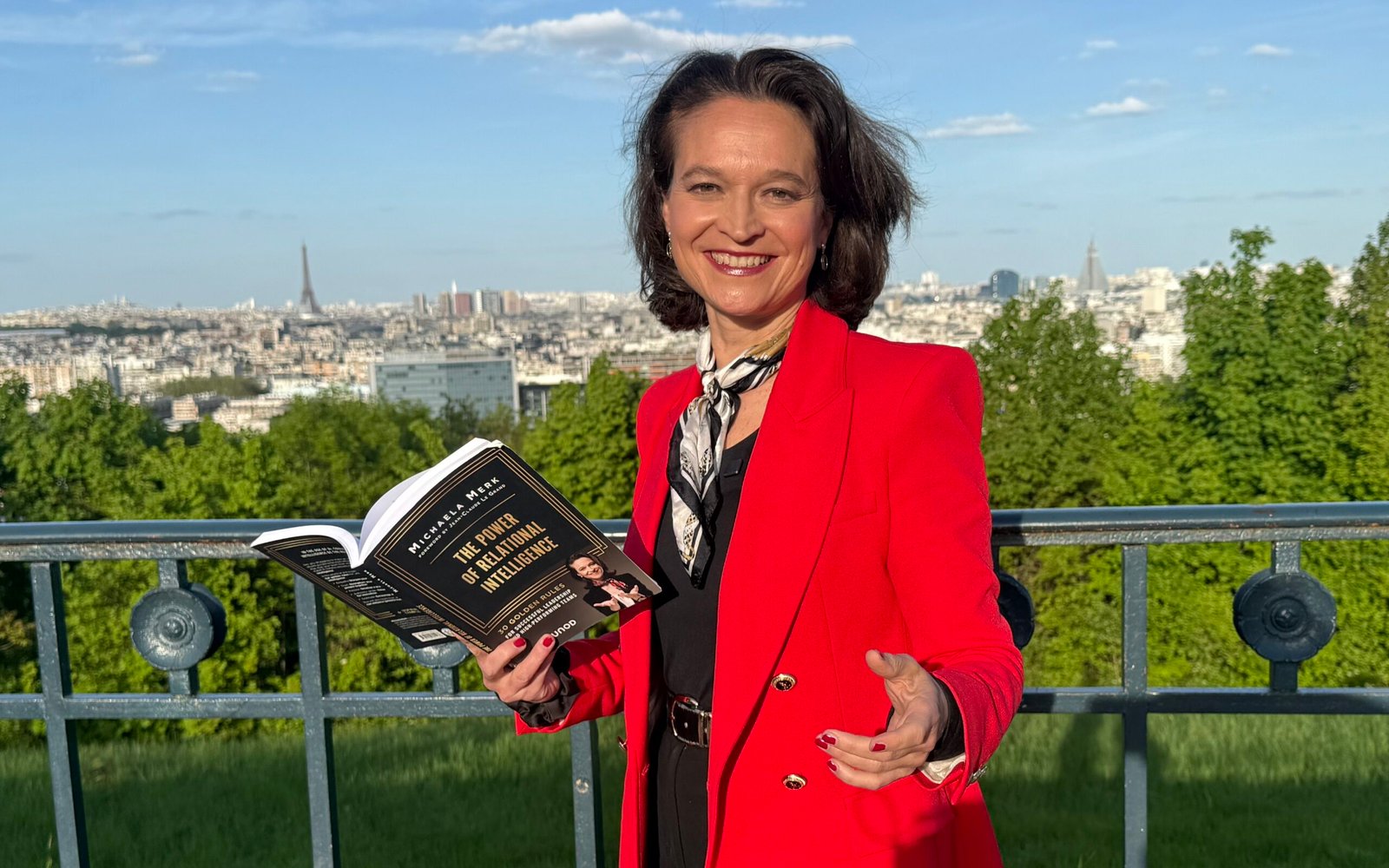
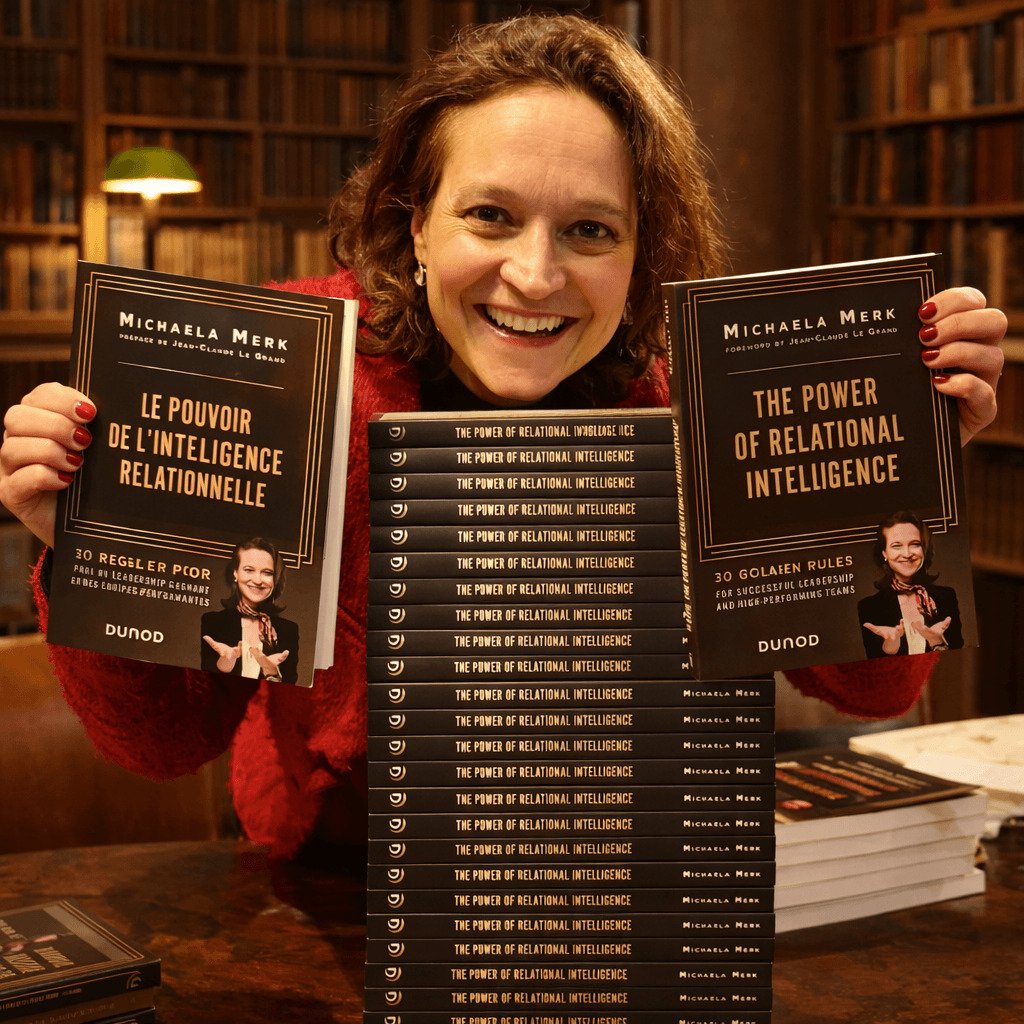
Michaela Merk holds a PhD in marketing from IAE Paris and is a professor at Audencia Business School, specialising in leadership, marketing, retail and management in the luxury sector. She is also the author of several books including “The Power of Relational Intelligence: 30 golden rules for successful leadership and high-performing teams” (Dunod)
She also draws on a professional career spanning 20 years in management positions at L’Oréal, Marionnaud, Estée Lauder Companies, etc. At the same time, she has always taught in business schools and international universities in Europe and Asia. She also trains industry executives through her company Merk Vision. Passionate about public speaking, she has obtained as only woman in Europe the highest international speaker’s certifications, the Certified Speaking Professional (CSP), awarded by the National Speakers Association of the United States (NSA) and the Global Speakers Fellow, awarded by the Global Speakers Federation.